
Stay-Stoic
  • 🏛️
  • New Posts
  • Philosophy
    • Stoic foundations
    • Four cardinal virtues
      • Stoic wisdom
      • Stoic justice
      • Stoic courage
      • Stoic moderation
    • Stoicism Today
    • Stoic practices
    • Stoic Topics
  • Inspiration
    • Stoic philosophers
    • Stoic wisdoms
    • Stoic quotes
    • Symbolism & Symbols
    • Stoic Glossary
    • About Stay-Stoic
  • German
  • Click to open the search input field Click to open the search input field Search
  • Menu Menu
  • Link to X
  • Link to Instagram
  • Link to Pinterest
You are here: Home1 / Great Philosophers of Stoicism 🌟2 / Julius Canus: Stoic Serenity in the Face of Death 🌿
Stoicism: Wisdom and virtues such as tranquility, inspiration, and quotes from the Stoa, presented on Stay-Stoic.

Julius Canus: Stoic Serenity in the Face of Death 🌿

Julius Canus (fl. c. 30 AD) was a Stoic philosopher renowned for his unshakable composure. Condemned to death by Emperor Caligula, he remained true to his Stoic ideals and met his fate with unwavering calm.
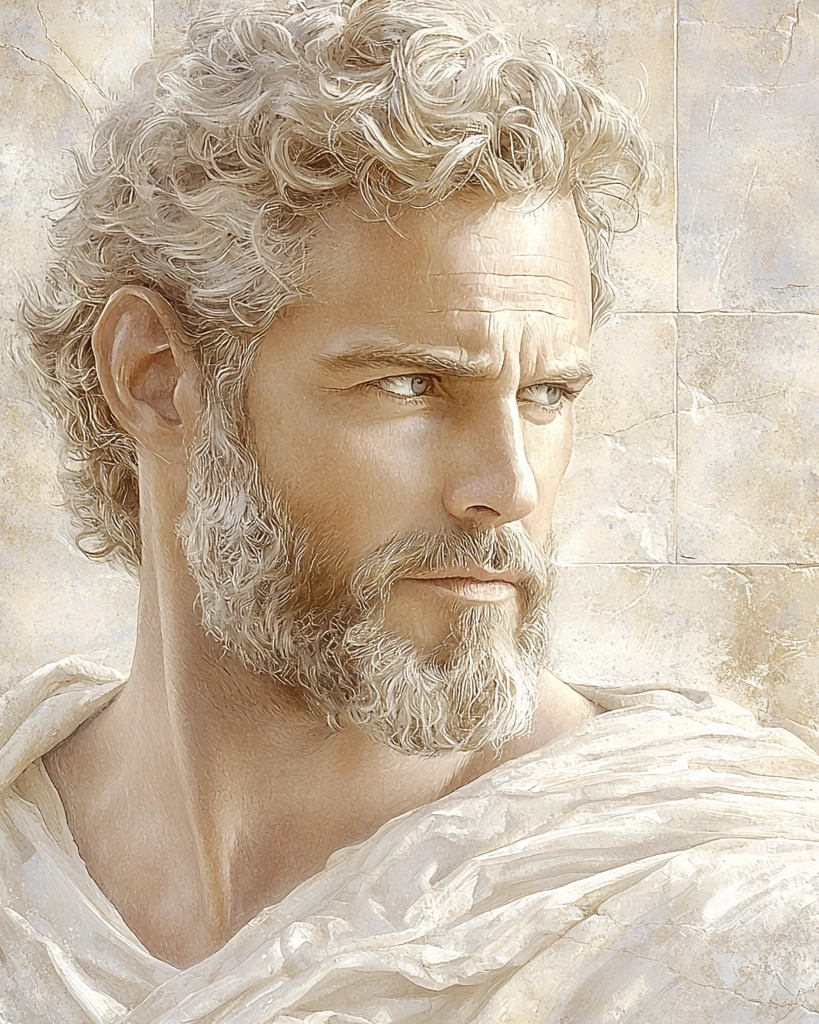
Stylized depiction of Julius Canus, who faced death with Stoic serenity, becoming a symbol of inner strength.

Historical Context and Influence

Caligula’s reign (37–41 AD) was marked by paranoia, cruelty, and political purges. Many intellectuals and senators fell victim to his whims. Julius Canus was sentenced to execution, yet instead of despairing, he saw his death as an opportunity to embody Stoic principles at their highest level. His story was preserved by Seneca, who praised him as a model of Stoic tranquility. More on the history of Stoicism

Why Is Julius Canus Still Relevant Today?

His example reminds us that true serenity is not tested in easy times, but in moments of greatest adversity. Julius Canus demonstrated that Stoicism is not just a theory but a way of life – even in the face of death. More on modern Stoicism

Core Teachings

  • Death is not an evil: Stoics see death as a natural part of life and face it with composure.
  • Serenity under tyranny: Canus proved that external circumstances cannot shake inner peace.
  • Freedom through mindset: Even a condemned man can be free if he maintains his principles.

More on Stoic principles

Legacy

  • Seneca admired Canus as a model of fearless acceptance of death.
  • His story continues to inspire people to face the inevitable with dignity.
  • He demonstrated that death should not be feared if one has lived in harmony with nature.

Virtues Embodied

  • Wisdom: He understood that death is a natural part of existence.
  • Courage: He feared neither the tyrant nor the executioner’s blade.
  • Justice: He accepted his fate without bitterness or desire for revenge.
  • Temperance: Even in his final moments, he remained calm and composed.

Quotes from Julius Canus

“Why should I fear? Death is part of life.”

“A tyrant can kill my body, but he cannot break my spirit.”

“I go where all before me have gone and where all after me shall follow.”

More Stoic wisdom: Stoic Quotes

Please Note

Stoic exercises and practices are meant to inspire, not instruct. For personal guidance, please consult an expert. Stoic Practices: Disclaimer

Learn More About Stoicism

  • The Four Cardinal Virtues
  • Recommended Reading
  • Other Stoics and Their Teachings
Back to the content:
I Julius Canus: Stoic Serenity in the Face of Death 🌿
II Historical Context and Influence
III Why Is Julius Canus Still Relevant Today?
IV Core Teachings
V Legacy
VI Virtues Embodied
VII Quotes from Julius Canus
VIII Learn More About Stoicism
  • Share on Facebook
  • Share on X
  • Share on WhatsApp
  • Share on Pinterest
  • Share on LinkedIn
  • Share on Tumblr
  • Share on Reddit
  • Link to Instagram
Search Search

Latest articles

  • Symbolic article image on Sun Tzu in everyday life, orientation instead of control, and reality as shifting terrain
    Φ ⋮ Sun Tzu in Everyday Life: Orientation, Not Controlby: Stay-Stoic
  • Atmospheric hero image for equanimity, unagitated sovereignty, and quiet presence in a culture of visible agitation
    Φ ⋮ Equanimity in an Age of Constant Agitationby: Stay-Stoic
  • Symbolic image about inner interpretation, cognitive bias, and how small events continue unfolding in the mind.
    Φ ⋮ When Interpretation Turns Events Into Storiesby: Stay-Stoic
  • Conceptual image about self-presentation, visibility, and the quiet exhaustion of constant readability.
    Φ ⋮ Self-Presentation and the Fatigue of Showingby: Stay-Stoic
  • Aging as maturity and life review, focusing on experience, inner clarity, and the yield of lived life
    Φ ⋮ Aging as the Harvest Time of Lifeby: Stay-Stoic

Legal information

· Disclaimer

· Copyright & Protection

· Data privacy statement

· Imprint

Stay-Stoic

· About Stay-Stoic

· Author Profile

· Contact

· Support

· Recommend

Stoic Reflections

· Symbolism & Symbols

· Stoic Affirmations

· Tenets of the Stoa

· The Stoic Signpost

Stores & Reading

· Store for Stoics

· Stoic Literature

· Stoic Glossary

· Read a random article

Copyright by Stay-Stoic | All Rights Reserved
  • Link to X
  • Link to Instagram
  • Link to Pinterest
Scroll to top Scroll to top Scroll to top