

Stoic Moderation – Balance in Life 🌿
Self-Control: The Path to Inner Harmony
Moderation, or Sophrosyne, is one of the four cardinal virtues in Stoicism. It emphasizes finding a balance between excess and deficiency, allowing us to live with clarity and purpose. In a world of extremes, practicing moderation provides a framework for achieving inner peace and self-discipline. This Stoic virtue guides us toward a harmonious, balanced, and fulfilling life.

The Role of Moderation in Stoic Philosophy
Moderation is more than just self-control; it’s a profound expression of wisdom and restraint. For the Stoics, it represents the ability to align one’s actions with nature and reason. Musonius Rufus taught that true freedom comes from mastering one’s desires. By tempering impulses, we not only gain control over our lives but also foster inner tranquility and resilience.
Lessons from Stoic History
Zeno of Citium, the founder of Stoicism, regarded moderation as a cornerstone of virtuous living. Similarly, Marcus Aurelius reflected on the importance of temperance in his meditations:
“Be content with what you have and remain the master of your own desires.”
How to Practice Moderation in Daily Life
- Maintain Emotional Balance: Observe your emotions and resist acting impulsively. Reflect daily to cultivate inner peace.
- Practice Voluntary Simplicity: Embrace a minimalist approach to focus on what truly matters and reduce distractions.
- Set Clear Priorities: Define your values and goals, ensuring your actions align with a purposeful life.
A Stoic Quote on Moderation
“The wise seek moderation, for within it lies true freedom.” – Musonius Rufus
How Can You Apply Moderation to Your Life?
Take the first step toward practicing moderation by embracing balance and self-discipline. Start small: regulate your impulses, simplify your habits, and focus on meaningful pursuits. Are you ready to find harmony in your life?
Moderation: The Stoic Balance in Life
Stoic moderation teaches us the importance of balance in all things—our actions, desires, and emotions. In an age of extremes, this virtue reminds us to avoid excess and focus on what truly matters. How can we cultivate this sense of equilibrium in a world that often pushes us to overindulge? Let the wisdom of Stoic moderation guide you toward a life of harmony and self-mastery.

Self-Control: Emotion Regulation in Stoicism 🌟
Self-control is the foundation of Stoic moderation. It empowers us to master impulses and approach challenges with clarity. For the Stoics, this virtue was key to navigating life with balance and reason.
An inspiring example is Epictetus, who taught that true freedom comes from mastering the self. By cultivating self-control, you can navigate emotions and respond to life’s challenges with calm and confidence.
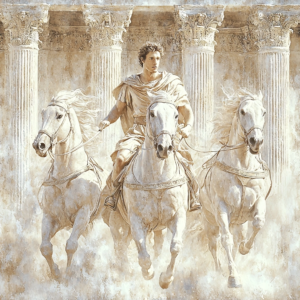
Prudence: Calm and Deliberation in Stoic Moderation ⚖️
Prudence involves calm and thoughtful decision-making. For the Stoics, this virtue ensured clarity in judgment and the ability to choose the right path.
An excellent example is Hierocles, who emphasized prudence as a guide for harmonious relationships and personal growth. By practicing prudence, you can make deliberate and confident choices in daily life.

Patience: The Ability to Delay Gratification 🌿
Patience is the Stoic art of enduring challenges with grace and composure. It teaches us the value of waiting and the power of resilience in adversity.
A notable example is Musonius Rufus, who highlighted the strength found in patience. By cultivating this virtue, you can build endurance and thrive even in difficult circumstances.

Modesty: Contentment with Simplicity in Stoicism ✨
Modesty invites us to embrace simplicity and find contentment in what we already have. The Stoics viewed this virtue as a gateway to freedom and inner peace.
One example is Zeno of Citium, who taught that less can lead to more fulfillment. With modesty, you can focus on what truly matters and cultivate gratitude in life.
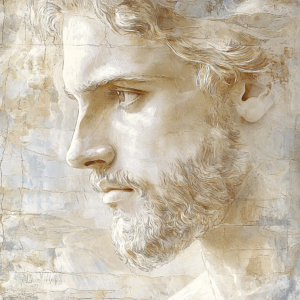
Humility: Acknowledging Limitations in Stoic Moderation 🌟
Humility is the ability to recognize and accept our limitations. The Stoics believed that true wisdom begins with understanding oneself.
A compelling example is Marcus Aurelius, who demonstrated humility even as an emperor. By embracing this virtue, you can turn your limitations into opportunities for growth and wisdom.

Restraint: Caution in Words and Actions in Stoicism ⚖️
Restraint encourages us to think carefully before speaking or acting. It helps prevent impulsive decisions and fosters harmony in relationships.
A Stoic who embodied this virtue is Posidonius, who taught that measured actions preserve balance in life. With restraint, you can make wise and deliberate choices that align with your values.
Discover the Power of Stoic Moderation
Living with moderation doesn’t mean deprivation—it’s about embracing balance and making thoughtful choices. By practicing Stoic moderation, you can lead a life of purpose, free from the distractions of excess. Begin your journey toward a balanced and fulfilling life today.
Please Note
Stoic exercises and practices are meant to inspire, not instruct. For personal guidance, please consult an expert. Stoic Practices: Disclaimer