
Stay-Stoic
  • 🏛️
  • New Posts
  • Philosophy
    • Stoic foundations
    • Four cardinal virtues
      • Stoic wisdom
      • Stoic justice
      • Stoic courage
      • Stoic moderation
    • Stoicism Today
    • Stoic practices
    • Stoic Topics
  • Inspiration
    • Stoic philosophers
    • Stoic wisdoms
    • Stoic quotes
    • Symbolism & Symbols
    • Stoic Glossary
    • About Stay-Stoic
  • German
  • Click to open the search input field Click to open the search input field Search
  • Menu Menu
  • Link to X
  • Link to Instagram
  • Link to Pinterest
You are here: Home1 / Foundations of Stoicism 🌿2 / Core principles of Stoicism 🌟
Stoicism: Wisdom and virtues such as tranquility, inspiration, and quotes from the Stoa, presented on Stay-Stoic.

Core Principles of Stoicism: Foundations for a Virtuous Life 🌟

The Timeless Pillars of Stoic Philosophy

The core principles of Stoicism serve as a guiding framework for a virtuous and fulfilling life. Developed by philosophers like Zeno of Citium and Chrysippus, these principles emphasize reason, virtue, and inner peace. They provide practical wisdom to navigate life’s challenges with clarity and resilience.
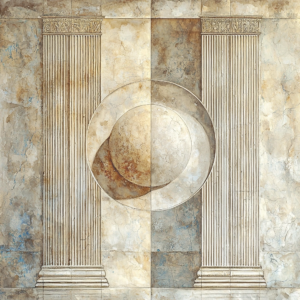
Depiction of the core principles of Stoicism – virtue, reason, self-control, and acceptance of the inevitable.

The Four Cardinal Virtues of Stoicism

At the heart of Stoicism lie four cardinal virtues that act as a compass for moral and practical living:

  • Wisdom: The ability to distinguish between what is good, bad, and indifferent.
  • Courage: Facing challenges and adversity with strength and resolve.
  • Justice: Acting with fairness and respect toward others.
  • Moderation: Practicing self-control and balance in all areas of life.

Virtue: The Ultimate Goal

For the Stoics, virtue is the highest good and the key to living in harmony with nature and reason. As Marcus Aurelius reflected in his *Meditations*:

“The happiness of your life depends upon the quality of your thoughts.”

Living virtuously means acting with integrity, regardless of external circumstances.

Master What You Can Control

One of the most empowering principles of Stoicism is the distinction between what we can control and what lies beyond our influence. Epictetus taught that focusing on our thoughts, choices, and actions leads to inner peace, while worrying about the uncontrollable only causes distress.

How to Apply the Core Principles in Daily Life

  • Reflection: Regularly evaluate your actions to ensure they align with your values.
  • Practice calmness: Embrace what you cannot change and focus on what you can influence.
  • Make conscious decisions: Let reason and virtue guide your choices, even in challenging situations.

A Stoic Quote on Core Principles

“Live in agreement with nature and follow reason.” – Zeno of Citium

Embrace the Core Principles of Stoicism

The principles of Stoicism offer a roadmap for a thoughtful and balanced life. Begin incorporating them today and experience their transformative power. Align your actions with virtue and discover the peace that comes with living intentionally.

Discover key Stoic texts that have shaped this enduring philosophy.

Please Note

The content of this post is for informational and inspirational purposes only. It does not constitute personal, psychological, or medical advice. For individual concerns, please consult an expert. Learn more: Disclaimer.

Further Stoic Topics

  • Epictetus – Wisdom and Inner Freedom
  • Seneca – Timeless Stoic Wisdom
  • Courage and Resilience
  • Self-Discipline Through Stoic Practices
  • Mental Health and Stoicism
  • Share on Facebook
  • Share on X
  • Share on WhatsApp
  • Share on Pinterest
  • Share on LinkedIn
  • Share on Tumblr
  • Share on Reddit
  • Link to Instagram

Search Search

Latest articles

  • Symbolic article image on Sun Tzu in everyday life, orientation instead of control, and reality as shifting terrain
    Φ ⋮ Sun Tzu in Everyday Life: Orientation, Not Controlby: Stay-Stoic
  • Atmospheric hero image for equanimity, unagitated sovereignty, and quiet presence in a culture of visible agitation
    Φ ⋮ Equanimity in an Age of Constant Agitationby: Stay-Stoic
  • Symbolic image about inner interpretation, cognitive bias, and how small events continue unfolding in the mind.
    Φ ⋮ When Interpretation Turns Events Into Storiesby: Stay-Stoic
  • Conceptual image about self-presentation, visibility, and the quiet exhaustion of constant readability.
    Φ ⋮ Self-Presentation and the Fatigue of Showingby: Stay-Stoic
  • Aging as maturity and life review, focusing on experience, inner clarity, and the yield of lived life
    Φ ⋮ Aging as the Harvest Time of Lifeby: Stay-Stoic

Legal information

· Disclaimer

· Copyright & Protection

· Data privacy statement

· Imprint

Stay-Stoic

· About Stay-Stoic

· Author Profile

· Contact

· Support

· Recommend

Stoic Reflections

· Symbolism & Symbols

· Stoic Affirmations

· Tenets of the Stoa

· The Stoic Signpost

Stores & Reading

· Store for Stoics

· Stoic Literature

· Stoic Glossary

· Read a random article

Copyright by Stay-Stoic | All Rights Reserved
  • Link to X
  • Link to Instagram
  • Link to Pinterest
Scroll to top Scroll to top Scroll to top