
Stay-Stoic
  • 🏛️
  • New Posts
  • Philosophy
    • Stoic foundations
    • Four cardinal virtues
      • Stoic wisdom
      • Stoic justice
      • Stoic courage
      • Stoic moderation
    • Stoicism Today
    • Stoic practices
    • Stoic Topics
  • Inspiration
    • Stoic philosophers
    • Stoic wisdoms
    • Stoic quotes
    • Symbolism & Symbols
    • Stoic Glossary
    • About Stay-Stoic
  • German
  • Click to open the search input field Click to open the search input field Search
  • Menu Menu
  • Link to X
  • Link to Instagram
  • Link to Pinterest
You are here: Home1 / Great Philosophers of Stoicism 🌟2 / Stoic Rulers and Statesmen ⚖️
Stoicism: Wisdom and virtues such as tranquility, inspiration, and quotes from the Stoa, presented on Stay-Stoic.

Stoic Rulers and Statesmen – Power Meets Philosophy ⚖️

Stoicism and power – at first glance, they seem like opposites. But for some rulers, they were the perfect combination. These individuals stood at the top of society and politics, trying to merge Stoic principles with the harsh reality of governance. The result? Sometimes pure inspiration – and sometimes a hard crash between ideals and reality.
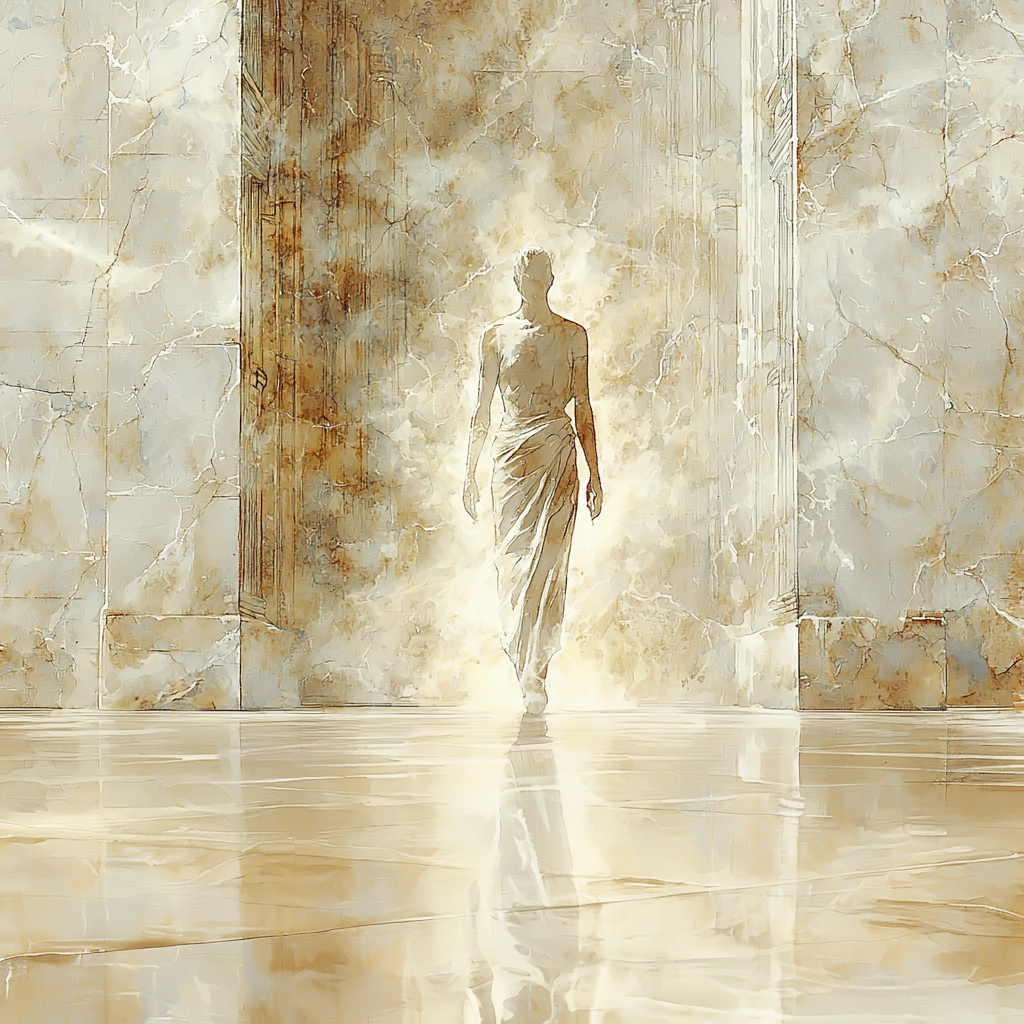
Stylized depiction of rulers and statesmen who combined power with Stoic philosophy.

Philosophers with Power

These statesmen weren’t mere theorists. They carried real responsibility: decisions that affected entire empires. While others got lost in greed and power games, Stoic rulers asked themselves: “How can I govern well – without losing myself?”

Stoic principles helped them keep a clear head. Not an easy task when surrounded by intrigue and immense pressure.

Ever Wondered?

What would you do if your decisions affected the lives of thousands? Would you stay calm and composed? Or would power corrupt your judgment? Stoic rulers had to answer these questions – often the hard way.

Stoicism as a Leadership Tool

For these statesmen, philosophy wasn’t a side project. It was their moral compass and often their lifeline in stormy times.

  • Calm in chaos: The ability to stay composed when the political battlefield is on fire.
  • Clear judgment: Making decisions without emotional bias or personal agendas.
  • Taking responsibility: Admitting mistakes and learning from them – a rare thing in the world of power.

“True power isn’t ruling over others – it’s ruling over yourself.” – A Stoic thought for leaders

When Philosophy Meets Politics

Living Stoicism in politics was never easy. It meant resisting the hunger for power and constantly asking: “Am I really serving the people – or just feeding my ego?” Some of these rulers became role models for generations; others fell short of their own ideals. What united them was that they tried.

The Most Influential Stoic Rulers and Statesmen

These statesmen lived Stoicism on the grand stage. Their decisions shaped not only their time, but left lasting marks on history.

  • 1. Seneca Ω – Timeless Stoic Wisdom

    Seneca combined deep philosophy with practical life lessons. True wisdom lies in remaining calm in hardship and balanced in success.

  • 2. Marcus Aurelius ☉ – Wisdom in Power

    As both emperor and philosopher, Marcus Aurelius embodied Stoicism at its highest level. His Meditations prove that true power comes from mastering oneself.

  • 3. Lucius Annaeus Novatus Æ – Life and Teachings

    Novatus believed that philosophy was not just personal but a social duty. His teachings emphasized integrity and inner strength.

  • 4. Claudius Maximus ♄ – Life and Teachings

    A model of Stoic discipline, Claudius Maximus was known for his unwavering self-control. He proved that true greatness lies in steadfastness and resilience.

  • 5. Dio Chrysostom ❖ – The Golden Orator of Stoicism

    Dio Chrysostom used the power of words to spread Stoic values. His speeches remind us that philosophy must be spoken and lived.

  • 6. Areus 🜄 – A Stoic Advisor to Augustus

    As an advisor to Augustus, Areus demonstrated that wisdom can guide even the most powerful rulers. Virtue and leadership are not mutually exclusive.

  • 7. Cato the Younger Δ – Steadfast Virtue and Principles

    Cato was the embodiment of unwavering integrity. His life proved that true virtue never compromises, even at great personal cost.

  • 8. Flavius Arrianus Ψ – A Life in Service of Virtue

    Arrian preserved the teachings of Epictetus, proving that the greatest teachers are those who listen, learn, and pass wisdom forward.

Follow in the footsteps of these Stoics and discover how these rulers balanced power and philosophy.
Or dive into the world of Stoic symbols: Δ, Ω, Φ, Ψ

Take the Next Step

Stoic principles aren’t just for politicians or emperors. Ask yourself: “How can I lead with calm and integrity in my own little world?” Whether it’s in your family, at work, or among friends – true leadership always starts with yourself.

Summary and Invitation

Rulers and statesmen who followed Stoicism left us a legacy that goes beyond their reigns. Be inspired by how they balanced power and philosophy – and ask yourself: What would a Stoic do in your place?

Please Note

Stoic exercises and practices are meant to inspire, not instruct. For personal guidance, please consult an expert. Stoic Practices: Disclaimer

Discover Stoic Insights

  • Books for a Deeper Stoic Perspective
  • Practices and Exercises for Serenity
  • The Development of Stoicism Over Time
  • Stoic Wisdom for Everyday Challenges
Back to the content:
I Stoic Rulers and Statesmen – Power Meets Philosophy ⚖️
II Philosophers with Power
III When Philosophy Meets Politics
IV The Most Influential Stoic Rulers and Statesmen
V Discover Stoic Insights
  • Share on Facebook
  • Share on X
  • Share on WhatsApp
  • Share on Pinterest
  • Share on LinkedIn
  • Share on Tumblr
  • Share on Reddit
  • Link to Instagram
Search Search

Latest articles

  • Symbolic article image on Sun Tzu in everyday life, orientation instead of control, and reality as shifting terrain
    Φ ⋮ Sun Tzu in Everyday Life: Orientation, Not Controlby: Stay-Stoic
  • Atmospheric hero image for equanimity, unagitated sovereignty, and quiet presence in a culture of visible agitation
    Φ ⋮ Equanimity in an Age of Constant Agitationby: Stay-Stoic
  • Symbolic image about inner interpretation, cognitive bias, and how small events continue unfolding in the mind.
    Φ ⋮ When Interpretation Turns Events Into Storiesby: Stay-Stoic
  • Conceptual image about self-presentation, visibility, and the quiet exhaustion of constant readability.
    Φ ⋮ Self-Presentation and the Fatigue of Showingby: Stay-Stoic
  • Aging as maturity and life review, focusing on experience, inner clarity, and the yield of lived life
    Φ ⋮ Aging as the Harvest Time of Lifeby: Stay-Stoic

Legal information

· Disclaimer

· Copyright & Protection

· Data privacy statement

· Imprint

Stay-Stoic

· About Stay-Stoic

· Author Profile

· Contact

· Support

· Recommend

Stoic Reflections

· Symbolism & Symbols

· Stoic Affirmations

· Tenets of the Stoa

· The Stoic Signpost

Stores & Reading

· Store for Stoics

· Stoic Literature

· Stoic Glossary

· Read a random article

Copyright by Stay-Stoic | All Rights Reserved
  • Link to X
  • Link to Instagram
  • Link to Pinterest
Scroll to top Scroll to top Scroll to top